Why High-Fidelity UI Prototypes Matter for Vibe Coding
Why do some Vibe Coding products feel polished while others feel AI-generated? The problem often starts before coding: skipping the design step.
The step people skip
Traditional product development moves through requirements review, UI design, development, testing, and launch. Vibe Coding often jumps from a conversation straight into code.
That shortcut creates expensive misunderstandings. A prototype carries the requirements: layout, interaction flow, hierarchy, and the answer to what users actually need. Problems exposed in a prototype are easy to change; problems discovered after development become rework.
“Changing a layout during the prototype stage takes one sentence. Changing it after development costs exponentially more. Polish this step as much as you can.”

Design before Coding
After confirming the requirements, ask the Agent to produce a high-fidelity design draft. Iterate on it until both the requirements and the visual direction are clear. Then move into Coding.
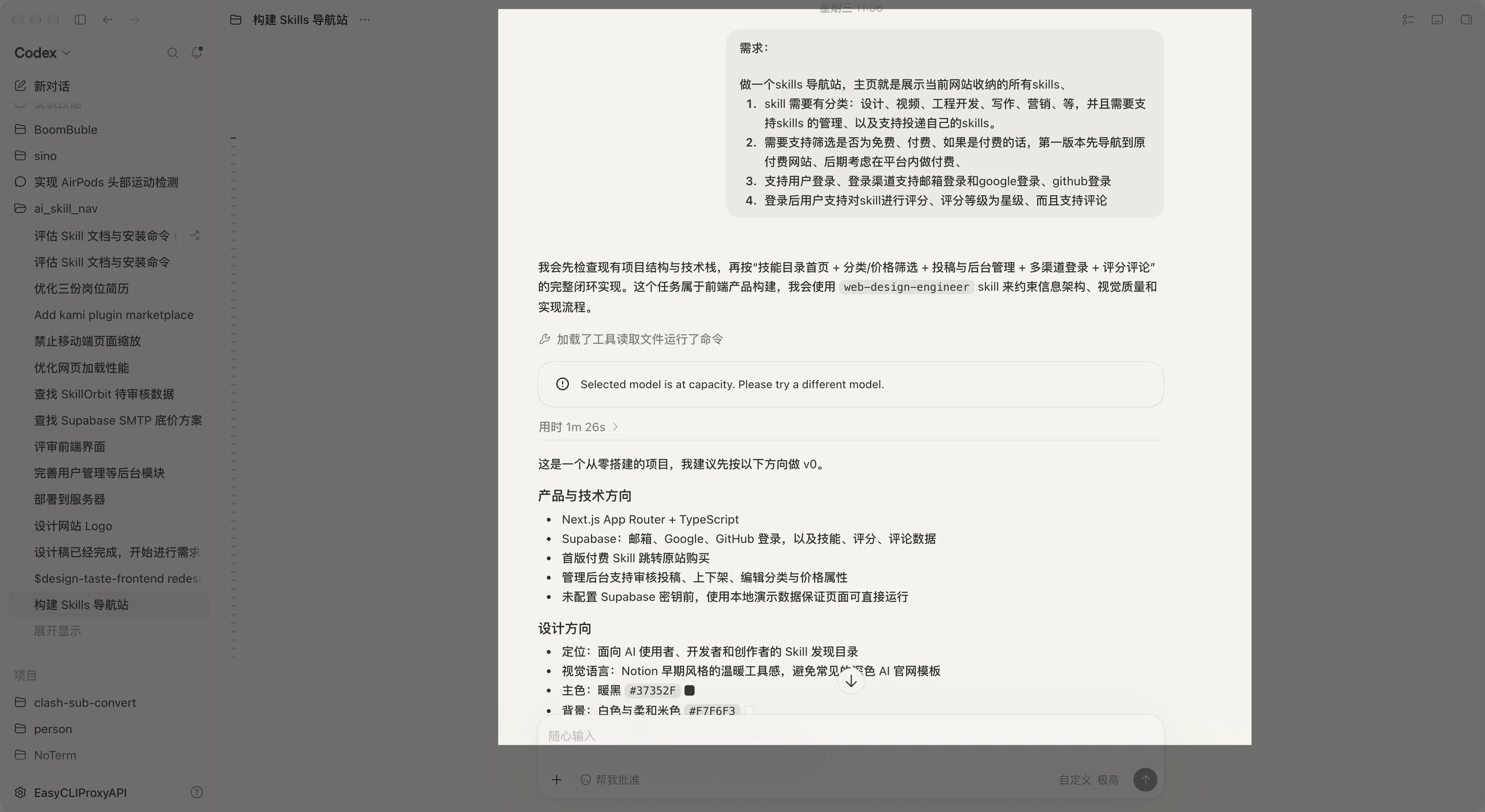
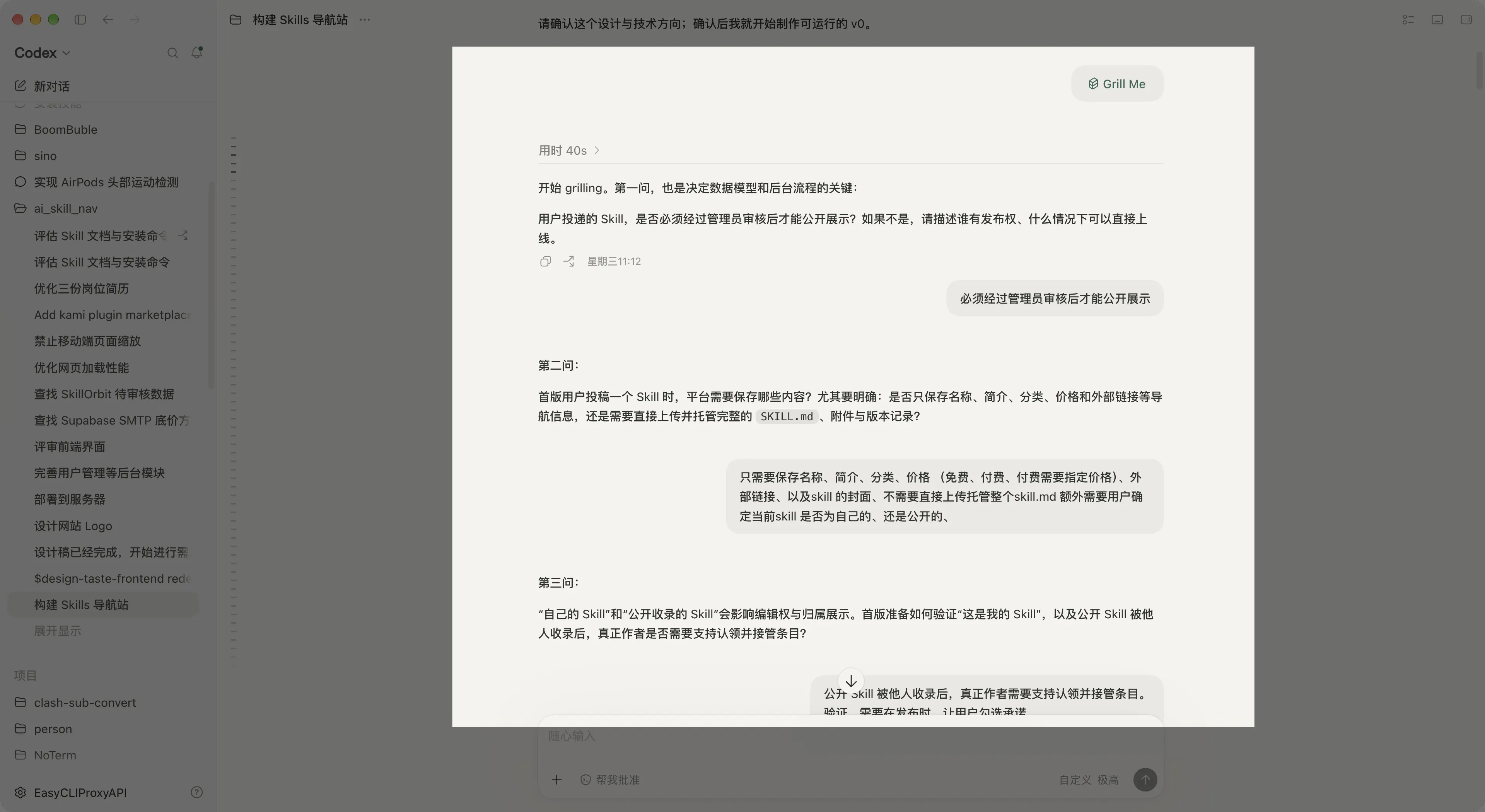
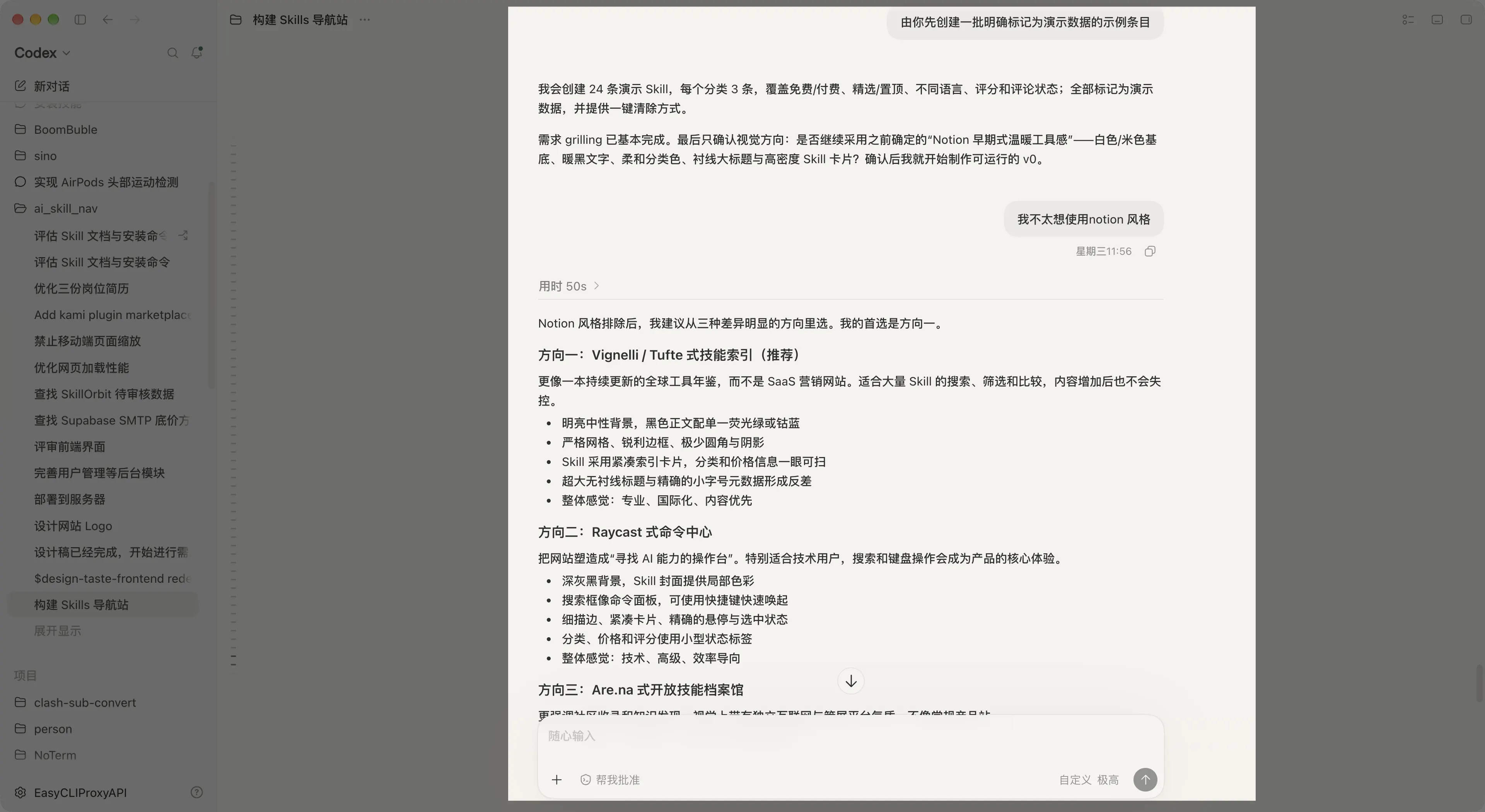
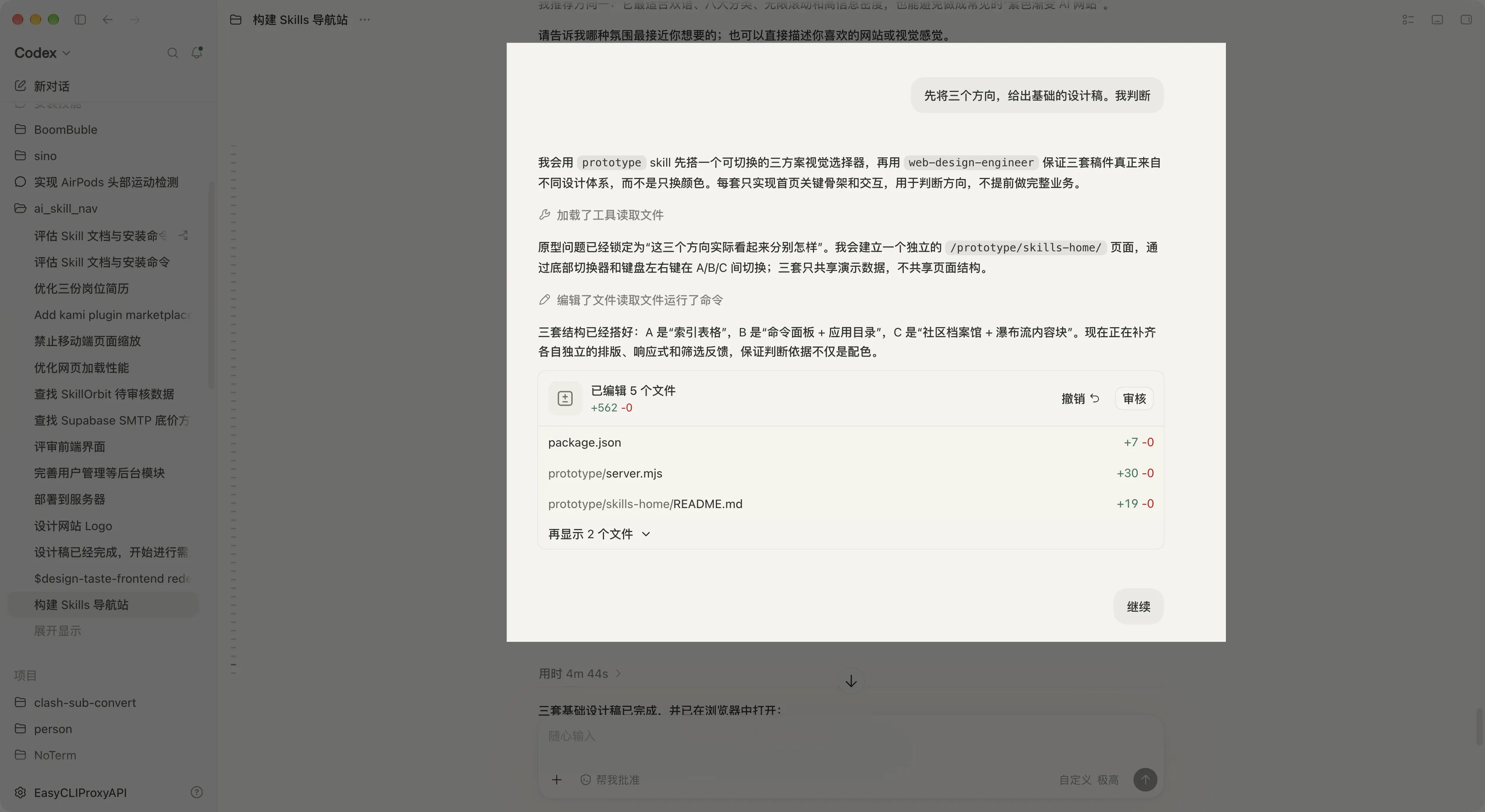
In a Codex session, I first ask Codex to analyze the product’s technical and design direction. I use the Grill me skill to challenge the requirements and fill in the gaps. When a Notion-style direction is not right, I ask for several alternatives, select one from the visual drafts, and have Codex refine it into a high-fidelity prototype.
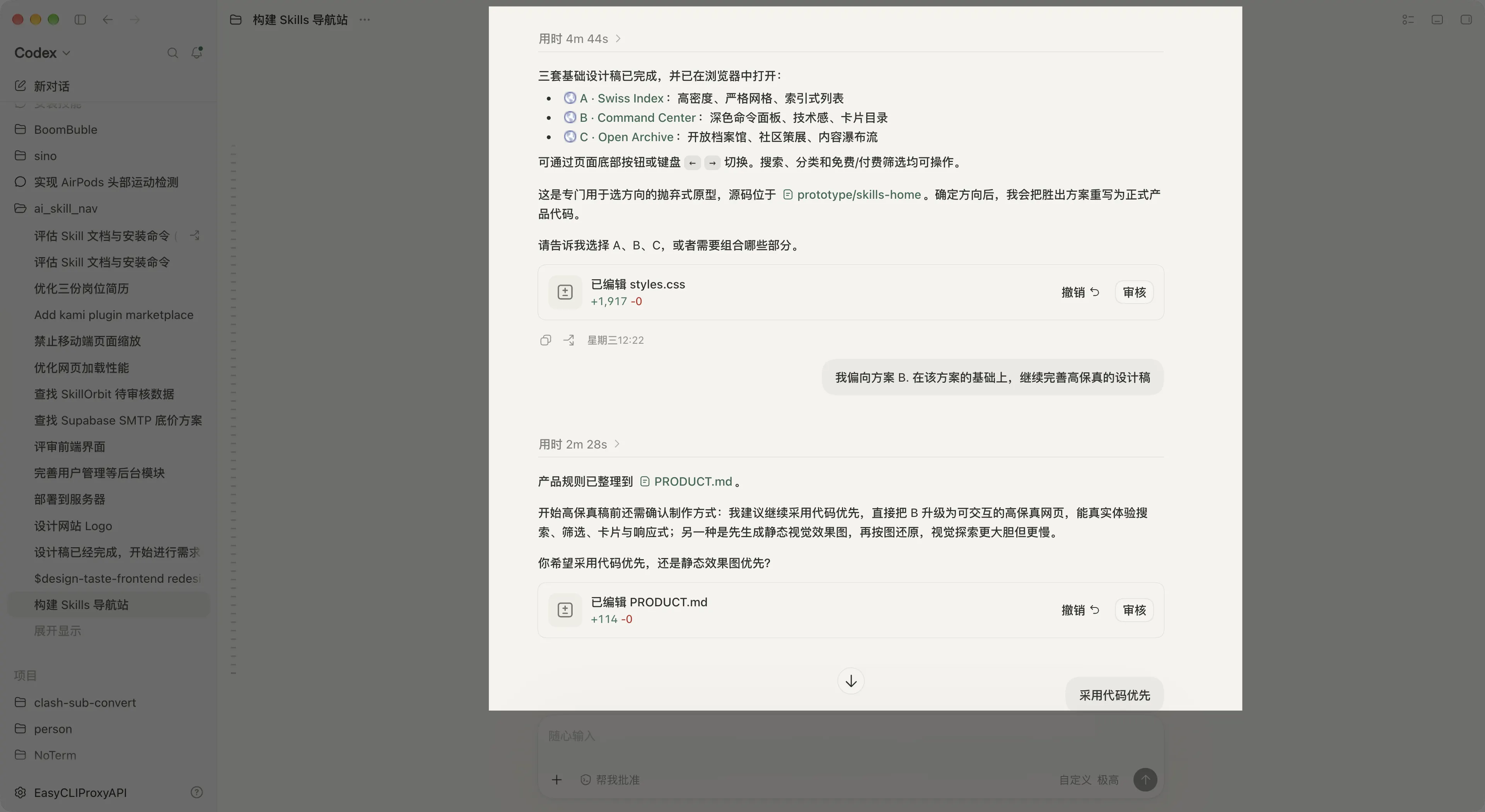
A visual source of truth
A high-fidelity design shows the page structure, module layout, component styles, hierarchy, and key interaction states. Without it, AI has to guess from text. The result may work, but feel flat, messy, and unmistakably AI-generated.
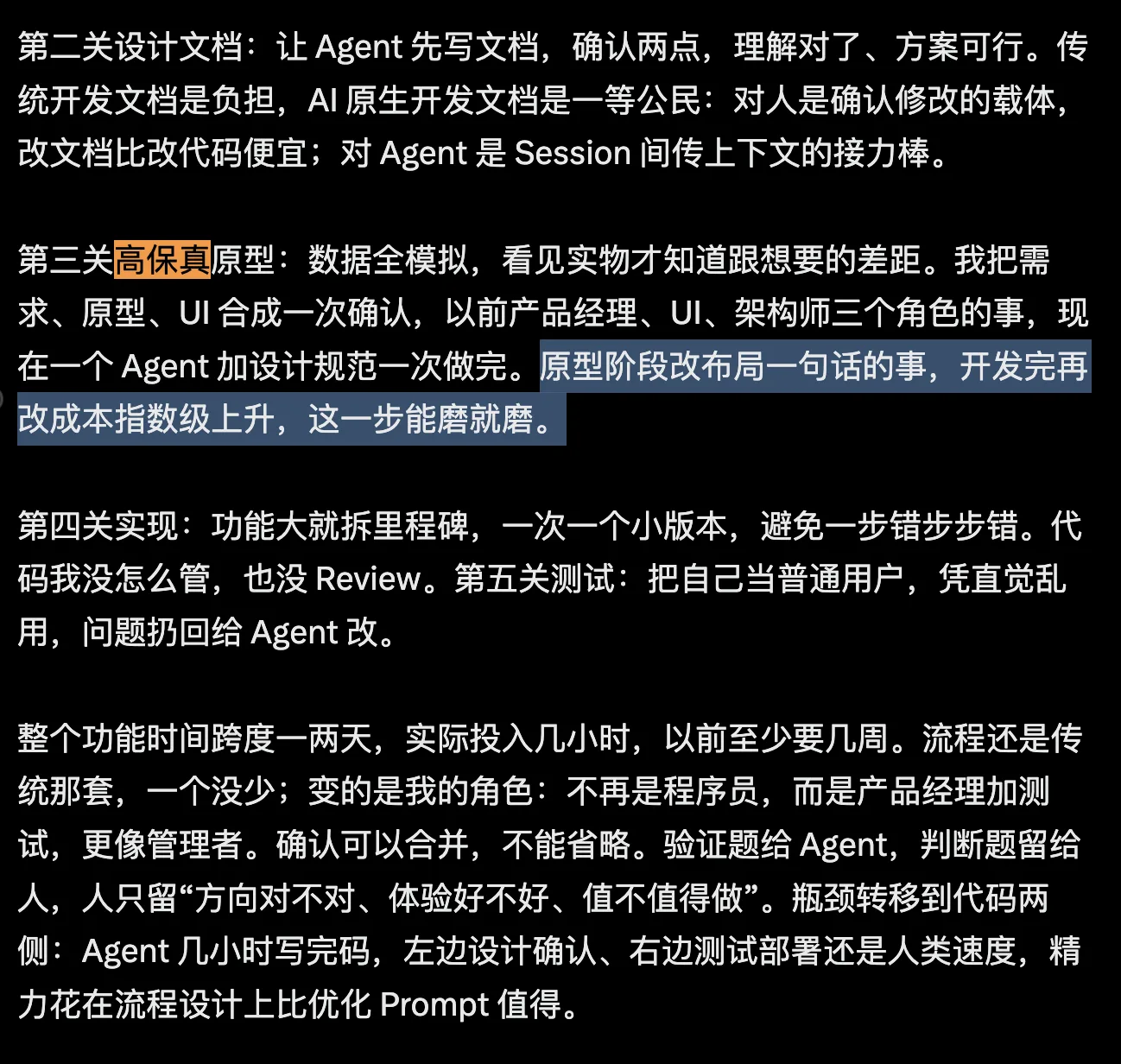
With the design confirmed, Codex is no longer starting from zero. It is implementing an agreed visual direction.
My recommendation: confirm the requirements, produce and refine the high-fidelity prototype, then start development.